

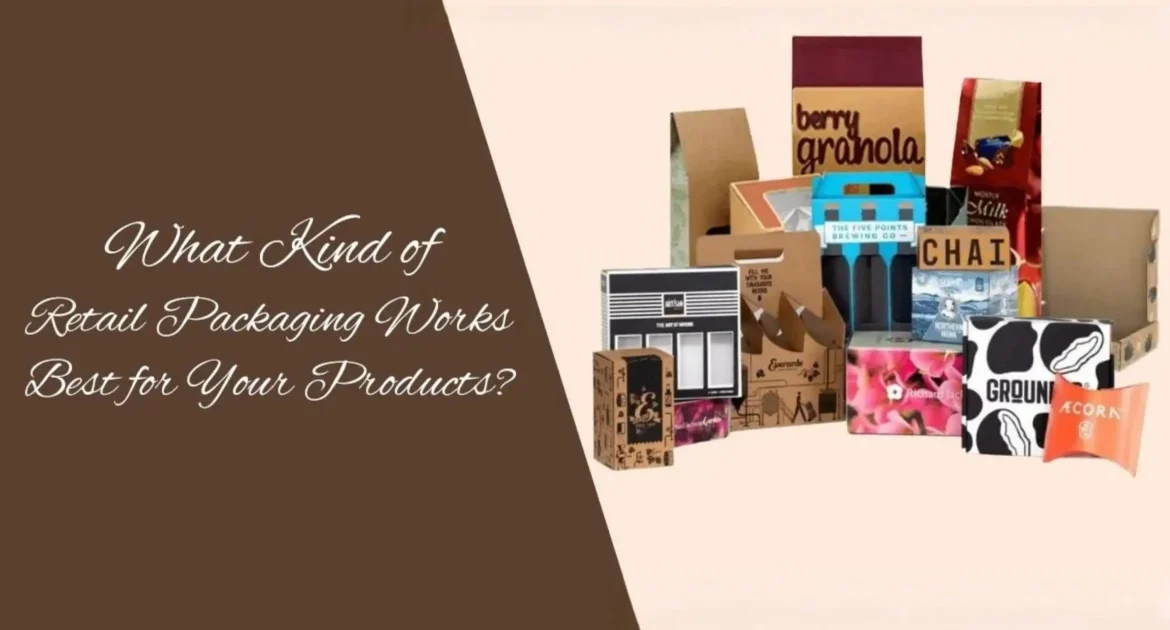
Retail packaging shapes how products sell and move. It is not limited to boxes alone. It includes every touchpoint seen on shelves. From protection to presentation, packaging guides decisions, builds trust, and supports logistics. It covers all retail channels, purchasing moments for brands and retailers worldwide today.
Product packaging works as a complete system. Structural packaging includes boxes with defined styles and sizes. Flexible packaging covers Mylar bags for lightweight products. Labels carry identity, compliance data, and tracking details. Together, these elements manage protection, visibility, cost, and retail scalability efficiently.
The best retail packaging depends on context. For instance, product type defines materials and formats. Shelf behavior shapes size, visibility, and opening style. Compliance impacts labeling and safety features. Cost control balances materials, freight, and production. Smart choices align protection, branding, and regulations for the long-term success of retail brands.
What Retail Packaging Means for Modern Businesses
This is a frequently asked question: ‘What is retail packaging, and how do brands perceive it? Well, retail packaging is no longer a box, pouch, labels and stickers. It has become the identity of businesses and retailers. You cannot fit it in the section of transit packaging. Packaging companies design, print, and produce it for shelf display and interaction with customers.
The right packaging can boost shelf visibility and build trust instantly. Graphic designs illustrate the brand stories. For instance, various types of background, images, and patterns all portray a specific message. Colors tell a brand’s spirit. Product packaging structures give a unique elevation to retail products.
Aesthetically designed packaging sticks in the minds of the customers. There are multiple functions that form a functional packaging product. So nowadays, packaging products have become fully creative, unique, and at the same time fully relatable.
Core Retail Packaging Formats Businesses Should Consider
Usually, brands use multiple types of product packaging. They don’t contain every product in a single format. For instance, you can see tea boxes in retail stores. Simultaneously, you will see them in a pouch or Mylar bag, too. This is how they offer multiple formats of buying to their customers.

Let’s analyze different types of packaging products separately.
Retail boxes
Many products need distinctive packaging boxes. You cannot just pick and hand them over to your customers. Retail boxes help you a lot. They allow you to pack a certain weight of products in them. Or you can place multiple items in a single box. Product boxes also inform the customers about your brand, product, ingredients, and guidelines.
Mylar Bags
Not every product can be packed in packaging boxes. Sometimes, you need flexible packaging for them, i.e., Mylar bags. Mylar bags have made the retail business so much easier. They are available in a variety of mm thicknesses. They are easy to stack, store, and display. At the same time, they protect your products from unwanted moisture, oxygen, and light.
Labels
Packaging experts rate labels as one of the very first packaging products that your product needs. You can pack your product in a glass bottle, tube, or jar, but a label is a must. Retailers print the labels with product names, their logos, and instructions.
How to Choose Retail Packaging Based on Product Needs?
Right retail packaging demands certain factors. You should consider the form and type of your packaging. Price factor is also there. Then you have to think about shelf appeal and regulatory needs, too. You cannot design and manufacture packaging products daily. So, choose the packaging product and its structure by accounting for all the measures of retail markets.
The following factors will help you come up with the hit packaging for your products.
What is Your Product?
This is a very important question: ‘What is your product?’ Look! If your product is a solid one, i.e., perfume or soap, then you will need durable boxes. Is it liquid? For instance, if you need a juice or lotion, then you will need 3-sided sealed pouches. Hence, each product will have a different type of packaging.
What is the Volume And Weight of Your Product?
This is also a fundamental step to think of. Evaluating the weight of your product decides what type, material, and style of packaging boxes you will need. You also need to measure your product’s dimensions to make the right-sized inserts and boxes. The right dimensions and weight also lead to making reliable Mylar bags.
How Customers Will Use Your Product?
Think about the consumption pattern of your product, too. If you are selling one-time-use products, then lightweight packaging boxes or stock pouches are enough. If it is a luxury product, then go with rigid setup boxes. As well as, if you have to sell a product on Amazon or Etsy, then mailer-style boxes are the best for you.
How will your product be placed on the shelves?
Packaging must suit the display environment. Flat shelves favor stackable or box formats. Pegboards work best with hangable bags or blister packs. Counter displays benefit from visually striking designs. Some products require flexible Mylar packaging. So, why not think ‘How will your product be placed on the shelves?’
What Will Be the Regulatory and Labeling Requirements?
Packaging regulations stay federal at the core, but states add layers. California mandates Prop 65 warnings. New York and Washington police recycling claims. Oregon, Maine, and Colorado enforce EPR rules. Hawaii restricts plastics. Vermont demands truthful environmental labeling. National sellers adapt designs early to avoid penalties.
How Much Should You Spend on Product Packaging?
Spend on your packaging, which is its retail need. Mass-market retail items need cost-effective, functional packaging designs. But when it comes to premium products, you opt for luxury packaging. For instance, if you are a top apparel brand, then rigid boxes are the best. Similarly, you can make clear and full-color Mylar bags for your products.
The Importance of Graphic Designs, CMYK, and Pantone Colors
Before diving straight into product packaging, it is necessary to discuss some essential elements of retail packaging. What are those elements? That starts right from graphic design themes, goes to CMYK printing format, and then to Pantone colors accordingly.
Graphic design themes elevate packaging by considering the product’s nature. Retail shelves give brands ‘One Moment’ to speak. Logos, taglines, and visuals communicate product purpose and quality. Strong designs help products stand out clearly during competitive buying decisions today.
CMYK color format drives commercial offset printing. It converts designs into printable values with predictable results. Images, gradients, and typography reproduce accurately at scale. This process lets brands print almost any visual consistently across folding cartons, bags, labels, and inserts.
If exact brand consistency matters, select Pantone colors carefully. They provide fixed color references beyond process printing. Smart choices prevent color shifts across different packaging materials and batches. Pantone control strengthens identity, supports premium positioning, and protects brand recognition perfectly.
How Does Every Industry Demand Diverse Packaging Solutions?

Modern packaging strategy adapts to product type, usage conditions, and buyer behavior with precision. It protects contents, controls exposure, and supports compliance. Flexible packaging formats serve retail and shipping equally.
Smart packaging structures improve handling, storage, and counter display. Custom packaging also reduces the risks of damage and operational friction across supply chains. Packaging solutions in the USA allow brands to experiment without compromising quality or brand identity.
Integrated packaging also lets you pack the products with accuracy, visual consistency, and buyer’s convenience. Your right choice can align product performance, cost, sustainability, and customer expectations seamlessly.
From the below, you can have a wholesome idea to make custom printed boxes, Mylar bags, and labels for your product. Let’s start with a diverse range of packaging products for food items.
Food Packaging on the Whole
Food packaging must protect safety first. Choose food-grade materials. You should also consider controlling moisture, air, and light. So, ensure that seals stay intact. Add clear labels with ingredients and dates. Match size to portions. Design for storage and transport. Follow federal and state rules for customers’ confidence.
Suitable Packaging Options For Food Products to Print
- Folding cartons (cardboard-style boxes)
- Rigid setup boxes
- Paper bags (kraft and retail)
- Stand-up pouches
- Mylar bags
- Shrink wraps
- Plastic clamshells
- Blister packs
- PET containers
- HDPE (high-density polyethylene) bottles
- Glass bottles
- Glass jars
- Aluminum cans
- Metal tins
- Bubble wrap
- Foam inserts
- Counter display boxes
- Shelf-ready packaging (SRP)
Most Popular Personalized Box Sizes For Food Products
Food brands use custom boxes in abundance for fresh and baked food items. Because they maintain food item structure and hygiene for a long time. Food boxes are also essential to protect delicate edible contents. Versatile presentation of the encasements supports gifting and retail food packaging.
| Food Box Types | Dimensions (LxWxH) | Uses |
| Mini | 2.75″ × 2.75″ × 1.75″ | Mini edibles, single-serving snacks |
| Small | 4.75″ × 3.75″ × 2.75″ | Small-sized pastries, cookies, cupcakes |
| Medium | 6.75″ × 4.75″ × 3″ | Bakery items, pizza slices |
| Large | 8.75″ × 5.75″ × 4″ | Muffins, chocolates, candies |
| Extra Large | 12.75″ × 9.75″ × 5″ | Cakes, pizza, and food gift packaging |
Some Popular Food Box Styles With Uses
- Tuck-top boxes: Quick to assemble, ideal for small to medium items.
- Gable boxes: Perfect for takeaway meals or bakery items; carry handle included.
- Two-piece rigid boxes: Provide premium protection for fragile or large products.
- Mailer boxes: Great for subscription kits or shipping larger items.
- Sleeve boxes: Add elegance and allow for branding graphics.
Most Popular Mylar Bag Sizes For Food Products
Many retailers prefer Mylar packaging solutions for preserving food freshness. Bags reduce spills and contamination. And their stable bases improve shelf organization. Flexible capacity of bags fits single servings, and bulk needs perfectly. Food brands manage storage, display, and distribution efficiently with food bags.
| Food Bags | Dimensions (LxWxH) | Uses |
| Mini | 2.75″ × 3.75″ | Single-serving candies, sachet packs |
| Small | 4.25″ × 5.75″ | One-time coffee serving, dry fruit packs |
| Medium | 6.25″ × 8.75″ | Modest-sized food pouches |
| Large | 7.25″ × 11.75″ | Cereal pouches, rice packs, frozen food |
| Extra Large | 11.75″ × 15.75″ | Bulk food packaging, pet food packs |
Some Popular Mylar Bag Styles with Uses
- Flat seal pouches: These are quick and simple to use.
- Stand-up pouches: The Majority of retailers like to have stand-up pouches for food packaging.
- Gusseted pouches: You can expand the bottom of these pouches and pack more food.
- Quad-seal pouches: This style of pouch is strong and fully stable.
- Zip-top resealable bags: You will find these bags consumer-friendly for repeated uses.
Packaging for Cosmetics And Beauty Products
Cosmetic brands focus on such packaging that is able to protect their beauty formulas sublimely. This is why they prefer durable and moisture-resistant materials.
Airtight closures are also a must for makeup products. Include the printing of ingredient lists and usage instructions, too. Design for shelf appeal and brand identity. Match sizes to product types. FDA and state labeling rules also have significance in cosmetic packaging.
Suitable Packaging Options For Makeup Products to Print
- Folding cartons
- Rigid setup boxes
- Paperboard sleeves
- Paper bags
- Display trays and inserts
- Plastic jars
- Plastic bottles
- Airless pump bottles
- Plastic tubes
- Plastic compacts
- Dropper bottles
- Glass bottles
- Glass jars
- Aerosol cans
- Cylinder tubes
- Stand-up pouches
- Sachets
- Laminated foil pouches
Most Popular Custom Box Sizes For Beauty Products
Cosmetic boxes are a perfect choice for neat product arrangement and secure handling. Their protective structures reduce breakage and leakage. Premium presentation of makeup products in packaging boxes elevates brand value. You can pack single beauty items and multiple sets alike.
| Box Types | Dimensions (LxWxH) | Uses |
| Mini | 2.25″ × 2.25″ × 1.75″ | Mostly used for lipsticks, nail polishes |
| Small | 3.75″ × 3.75″ × 2.25″ | Lip gloss packaging, mini eyeshadows |
| Medium | 4.75″ × 4.75″ × 3.25″ | Cream jars, travel-size beauty kits |
| Large | 7.75″ × 7.75″ × 4.25″ | Perfume bottle packaging, gift sets |
| Extra Large | 10.25″ × 10.25″ × 7″ | Large eyeshadow packs, beauty packs |
Some Popular Cosmetic Box Styles With Uses
- Tuck-top boxes: These boxes are ideal for small to medium cosmetics.
- Two-piece rigid boxes: Handmade boxes provide premium protection and a luxury feel.
- Sleeve boxes: Sleeve-style boxes are great for lipsticks, mascara, and small serums.
- Drawer/slide boxes: Perfect for high-end palettes and gift sets.
- Magnetic closure boxes: These boxes are luxurious, reusable, and ideal for perfumes.
- Cylinder tubes: These types of boxes are also perfect for lipsticks and mascara tubes.
Most Popular Mylar Bag Sizes For Cosmetic Products
Custom-printed Mylar bags are vital to protect sensitive beauty formulations. They reduce leakage, contamination, and makeup waste. Flexible capacity suits trial packs and bulk refills. Strong pouch structures maintain their shapes on shelves. And their easy dispensing improves daily use for customers.
| Beauty Bags | Dimensions (LxWxH) | Uses |
| Mini | 2″ × 3.75″ | Trial-sized serums, lip balms |
| Small | 2.75″ × 4.25″ | Face masks, bath salts in small packs |
| Medium | 4.5″ × 6.25″ | Creams, lotions |
| Large | 7.25″ × 9.25″ | Bath salts |
| Extra Large | 10.75″ × 14.75″ | Bulk beauty packaging |
Some Popular Mylar Bag Styles with Uses for Beauty Products
- Flat pouches: These pouches are inexpensive for mini beauty products.
- Gusseted pouches: These pouches are expandable for multiple beauty items or bulk makeup products.
- Quad-seal pouches: These are strong and premium-looking; perfect for spa kits or luxury masks.
- Spout pouches: These are user-friendly, reusable, and perfect for consumer convenience.
Packaging for CBD, Wellness Products, And Supplements
CBD and wellness packaging must balance protection, compliance, and trust. Choose safe materials. Ensure barrier strength and freshness. Follow labeling laws clearly. Use child-resistant pouches where required. Keep sizes accurate and prioritize sustainability. Your packaging products should be easy to store, open, and transport.
Suitable Packaging Options For CBD and Wellness Products to Print
- Kraft boxes
- Folding cartons
- Rigid setup boxes
- Paperboard sleeves
- Display boxes and trays
- Glass dropper bottles
- Glass jars
- Glass vials
- PET bottles
- Child-resistant plastic containers
- Aluminum tins
- Mylar bags
- Stand-up pouches
- Child-resistant Mylar bags
- Sachets and stick packs
- Drawer/slide boxes
Most Popular Packaging Box Sizes For CBD Products
Folding cartons are essential for small to bulk CBD volumes. They ensure secure storage and simplify handling with an enhanced presentation. Flexible box styles allow branding and gifting without excessive material. Overall, they streamline fulfillment and improve customer experience.
| CBD Box Types | Dimensions (LxWxH) | Uses |
| Mini | 2.75″ × 2.75″ × 3.75″ | Mini CBD tincture bottles, roll-ons |
| Small | 3.25″ × 2.75″ × 4.75″ | CBD oil bottles’ packaging, creams |
| Medium | 4.25″ × 3.75″ × 6.75″ | Gummies, jars |
| Large | 6.25″ × 4.75″ × 8.75″ | Skincare sets |
| Extra Large | 8.25″ × 6.75″ × 10.75″ | CBD and wellness for subscription |
Some Popular CBD Box Styles With Uses
- Tuck-end boxes: These boxes are compliant for everyday CBD items.
- Sleeve boxes: You can add branding to these boxes without increasing material cost.
- Rigid and magnetic boxes: Common for premium, gift, and subscription CBD products.
- Drawer boxes: Excellent for curated wellness kits and multi-item sets.
Most Popular Mylar Bag Sizes For CBD Products
Mylar bags maintain freshness and prevent contamination of hemp products. And they hold heavier loads without damage. Reusable closures add convenience. Compact to bulk options of pouches suit retail and e-commerce alike.
| CBD Bags | Dimensions (LxWxH) | Uses |
| Mini | 2.5″ × 3.5″ | Sample size for CBD gummies |
| Small | 4.5″ × 6.25″ | Common size for gummies, chews |
| Medium | 5.5″ × 8.75″ | CBD powder |
| Large | 6.5″ × 10.75″ | Hemp flowers |
| Extra Large | 8.5″ × 12.75″ | Multi-pack CBD edibles |
Some Popular Mylar Bag Styles with Uses for Beauty Products
- Kraft pouches: Eco-friendly pouches have the best shelf presence.
- Child-resistant bags: CR bags are highly recommended for cannabis packaging.
- Gusseted and quad-seal pouches: These pouches are famous for heavier CBD products without collapsing.
- Bags with zip-lock closures: These bags improve customer convenience and product freshness.
Packaging for Apparel and Fashion Accessories

Apparel packaging should have multiple traits. It should protect products while enhancing brand appeal. Select sturdy yet lightweight materials. Ensure correct sizing and fold efficiency of the product boxes. You can also add moisture resistance to your packaging products.
Print clear labels on the boxes and support easy opening with reuse features. Keep visuals consistent. Balance cost, sustainability, storage, and shipping performance for retail success.
Suitable Packaging Options For Apparel and Fashion Line to Print
- Mailer boxes
- Paperboard sleeves
- Kraft boxes
- Rigid setup boxes
- Paper shopping bags
- Luxury paper bags with rope handles
- Poly mailers
- Mylar bags
- Magnetic closure boxes
- Drawer boxes
Most Popular Box Sizes For Apparel And Clothing Brands
It is highly important to have durable apparel boxes. Because they pack garments of different volumes while preserving their shape and finish. These boxes enable neat folding, safer transport, and appealing presentation. Durable box structures suit shipping and gifting needs, too.
| Box Types | Dimensions (LxWxH) | Uses |
| Mini | 5.75″ × 3.75″ × 2.25″ | Tie packaging, belt boxes, socks packs |
| Small | 8.72″ × 5.75″ × 2.25″ | T-shirts boxes, sunglass packs |
| Medium | 11.75″ × 8.75″ × 3.25″ | Dress shirt packs, dress pants packs |
| Large | 15.75″ × 11.75″ × 4.5″ | Sweaters, sweatshirts |
| Extra Large | 17.75″ × 14.75″ × 6.5″ | Tuxedos, coats, jackets, apparel, gifts |
Some Popular Apparel Box Styles With Uses
- Mailer boxes: These are best for shipping.
- Tuck-end boxes: These types of boxes are cost-effective for lightweight apparel.
- Rigid magnetic boxes: You can use them for luxury and gift clothing lines.
- Drawer boxes: Make these boxes for a high-end presentation of premium clothing.
Most Popular Mylar Bag Sizes For Apparel
Mylar bags for apparel adapt to garments of varying thickness and fold depth. They protect fabric from dust and moisture. Reusable closures of Mylar bags add convenience after purchase, too. And their structured capacity prevents creasing.
| Mylar Bags | Dimensions (LxWxH) | Uses |
| Mini | 6.75″ × 8.75″ | Bags for underwear, socks’ bags |
| Small | 9.75″ × 12.75″ | Scarves packaging |
| Medium | 11.75″ × 15.75″ | Jeans packs, T-shirts bags |
| Large | 14.75″ × 18.75″ | Hoodies packaging, sweaters’ packs |
| Extra Large | 19.75″ × 25.75″ | Quilts, blankets, shawls, jackets |
Some Popular Mylar Bag Styles with Uses for Apparel
- Bags with zip-lock closures: These bags are easy to reuse.
- Gusseted bags: Retailers prefer them because they handle bulkier garments without distortion.
- Clear or printed Mylar: These types of bags support branding and product visibility.
Pet Product Packaging
Pet product packaging must protect freshness and safety. So, choose durable and chew-resistant materials. Add moisture and odor barriers to your Mylar bags. Ensure resealable closures for them, too.
You should also use clear feeding or usage labels. Keep product packaging sizes accurate. Design the packaging for easy storage and transport. Build trust through clean graphic designs, compliance, and sustainability for pet brands.
Suitable Packaging Options For Pet Products to Print
- Folding cartons
- Corrugated boxes
- Paperboard sleeves
- Display boxes and trays
- Stand-up pouches
- Mylar bags
- Flat pouches
- Gusseted bags
- Vacuum-sealed bags
- PET bottles
- Plastic jars
- Aluminum cans
- Tin cans
- Glass jars
- Peg-hook packaging
- Hanging cards with blister packs
Most Popular Box Sizes For Pet Products
You can make pet boxes in the following sizes. Have them for varied pet product weights and volumes with reliable protection. These boxes simplify packing, stacking, and shipping. Their strong structures support transit and display needs.
| Pet Box Types | Dimensions (LxWxH) | Uses |
| Mini | 4.75″ × 4.75″ × 2.25″ | Mini pet treats packaging, small toys |
| Small | 7.75″ × 5.75″ × 4.25″ | Grooming tools packs, collars |
| Medium | 8.75″ × 6.75″ × 5.25″ | Dog bandanas, chew packs |
| Large | 12.75″ × 10.75″ × 7″ | Pet food encasements |
| Extra Large | 16.75″ × 14.75″ × 9″ | Bulk pet food packaging, subscriptions |
Some Popular Apparel Box Styles With Uses
Auto-lock bottoms: Handle heavier products safely.
Tuck-end boxes: Ideal for lightweight pet items and retail shelves.
Mailer boxes: Best for e-commerce pet brands and subscriptions.
Corrugated boxes: Standard for bulk and heavy pet goods.
Most Popular Mylar Bag Sizes For Pet Products
The following types of Mylar bags support portion control, freshness, and easy handling across pet categories. They adapt to retail and e-commerce needs smoothly. Strong barriers protect contents, while convenient access improves use. And their stable shelf presence aids visibility.
| Mylar Bags | Dimensions (LxWxH) | Uses |
| Mini | 3.75″ × 5.75″ | Training reward packs, single servings |
| Small | 4.75″ × 7.75″ | Freeze-dried pet snacks, dental chews |
| Medium | 8.25″ × 11.25″ | Dog treat packs, chew sticks |
| Large | 10.75″ × 14.25″ | Pet nutritional powders, cat food packs |
| Extra Large | 15.25″ × 20.25″ | Dry pet food packs, multi-treat packs |
Some Popular Mylar Bag Styles with Uses for Pet Products
- Stand-Up Pouches (Doypack): Excellent stability and visibility with the best features for branded pet treats.
- Zip-Lock Mylar Bags: These pouches keep pet food fresh after opening. Ideal for treats and supplements.
- Tear-Notch Mylar Bags: Tear-notches are recommended for easy openings. These types of bags improve user experience without tools.
- Gusseted Mylar Bags: These bags hold heavier pet food quantities, and they maintain shape with an attractive shelf presence.
- Child-Resistant Mylar Bags (Optional): You can use these bags for packing Pet supplements where compliance is required.
This is how you can print custom boxes, Mylar bags, labels, stickers, or any packaging products for your business.
Functional Packaging Features Retailers Should Prioritize
Effective retail packaging strengthens protection, usability, and shelf performance at once. It supports safer handling, cleaner presentation, and longer product life. Smart packaging reduces waste and costs. Clear visibility and compliance build trust. This is how retailers sell confidently, scale efficiently, and meet next-gen buyer expectations.
The following are some of the most important packaging features for retail boxes, Mylar bags, and labels. See them one after another.
Reinforced Packaging Features for Retail Boxes
- Product protection and impact resistance
- Accurate size fit and space efficiency
- Stackability for shelves and storage
- Tamper-evident box construction (where it is required)
- Easy-open and reclose functionality of the product boxes
- Structural rigidity of retail boxes for transit and display
- Shelf-ready and display-friendly packaging box designs
- Weight-bearing strength of the product boxes
- Compatibility with inserts or dividers
- Print surface stability of all box panels
- Barcode and compliance label support
- Sustainability and recyclability
- Cost efficiency at scale
Useful Packaging Features for Mylar Bags
- Airtight and moisture-barrier protection
- Resealable zippers or press-seal closures (if required)
- Tear-notch opening convenience
- Light and UV resistance
- Odor containment of hemp and necessary products
- Flexible size adaptability
- Puncture and tear resistance
- Tamper-evident sealing options
- Stand-up (gusseted) capability
- Heat-seal compatibility
- Lightweight shipping efficiency
- Food-grade and compliance readiness
- Extended shelf-life preservation
Effective Packaging Features for Product Labels
- Clear product identification
- Strong adhesive performance
- Compatibility with different types of product surfaces
- Smudge and moisture-resistant printing
- Barcode and QR code scannability
- Regulatory and compliance information support
- Label size accuracy for packaging fit
- Durability during handling and transit
- Removability or permanent adhesion choice
- Brand consistency support
- Cost-effective short and long runs
- Anti-counterfeiting options (if necessary)
Compliance, Retail Readiness, And Information Hierarchy
Packaging compliance means your products should meet the US federal and State regulations. Labels should display required warnings, ingredients, and recycling information. Packaging materials should also follow safety standards. Meeting these rules protects brands from penalties. Retailers gain confidence, and customers trust products.
Retail readiness focuses on shelf impact and convenience. Packaging must fit displays, pegboards, or counters. Stackable and easy-to-handle boxes save space. Mylar bags should stand, zip, or tear easily.
Information hierarchy organizes product contents logically. Essential details like product name and usage appear first. Secondary data, such as ingredients or instructions, follow. Graphics and colors guide attention. Labels and boxes communicate clearly without clutter. Proper hierarchy prevents confusion and supports quick decision-making.
Become Eco-Conscious And Partner with A Seasoned Packaging Supplier
You should ponder over eco-friendly packaging; it is a big plus. Customers like brands that support and adopt green packaging initiatives. For instance, you can opt for Kraft board, cardstock, SBS board, and rigid grayboard. Sustainable materials improve customer perception and strengthen brand credibility effectively.
Partnering with an experienced packaging manufacturer is also key. It helps balance packaging costs, durability, and aesthetics. Right packaging companies align with product type, shelf placement, and retail readiness.
You can meet packaging experts online and shape your brand success. Coordinate with them about material selection, sizes, and structures. So, making retail packaging products from scratch is easy. Take the first step and bring your personal touch to every product.
Key Takeaways
- Retail packaging shapes perception, protects products, and builds trust.
- Packaging includes boxes, Mylar bags, labels, and all shelf touchpoints.
- Choose packaging based on product type, weight, usage, and shelf placement.
- Correct dimensions and materials improve handling, storage, and customer experience.
- Retail boxes give structure and premium appeal; Mylar bags offer flexibility and freshness.
- Labels ensure identity, compliance, and scannability.
- Strong graphic design communicates the brand story clearly on shelves.
- CMYK printing ensures accurate and scalable color reproduction.
- Pantone colors provide consistent branding every time.
- Packaging products must meet US federal and state regulations.
- Retail-ready packaging fits displays, pegboards, and counters easily.
- Organize information hierarchy: essential details first, secondary next.
- Eco-friendly materials like Kraft, cardstock, SBS, and rigid grayboard improve brand image.
- Experienced suppliers guide material choice, durability, design, and cost balance.
- Integrated packaging aligns protection, branding, compliance, and usability.
FAQs
How can I save packing costs?
Examine the packaging materials first, then the box dimensions, and printing techniques. Think of modular or stackable product packaging designs. Get on board with vendors who strike a balance between price and aesthetics.
How should seasonal or promotional products be packaged?
Use adaptable formats like sleeves, inserts with packaging boxes, or Mylar bags. Include limited-edition labels. Modular designs enable rapid adjustments to production.
How can I make suitable packaging products for both e-commerce and retail?
Choose flexible, shipping-resistant Mylar bags and sturdier product boxes. Install tamper-evident seals and protective inserts. Adjust the packaging product size for delivery effectiveness and shelf display, too.
How can I create packaging compliant with the various state laws in the United States?
Initially, consider safety warnings, recycling claims, and labelling. For regional compliance, use adaptable label templates. Make sure the environmental messaging and ingredient disclosure adhere to local regulations. Adaptable packaging maintains your product legally marketable in all states, prevents fines, and fosters confidence.
How does packaging improve the convenience of customers in-store?
Make packaging products that are easy to open, lightweight, and resealable. Stackable and peg-friendly packaging products facilitate shelf browsing. Clear labelling is effective for rapid product selection. And convenient packaging increases customer loyalty.